Joint Injection Therapy: 2026 Research Updates You Should Know
What Is Joint Injection Therapy?
Joint injection therapy delivers medication directly into affected joints to reduce pain and inflammation. This targeted approach provides relief for conditions like osteoarthritis, rheumatoid arthritis, and sports injuries when oral medications or physical therapy alone aren't enough.
Unlike systemic treatments that affect your entire body, joint injections work precisely where you need them. Research shows that intra-articular corticosteroid injections have remarkably low complication rates, with infection rates remaining below 0.01% of procedures[9].
TL;DR: Joint injection therapy research in 2026 shows excellent safety profiles with infection rates below 0.01%[9] and 17 active clinical trials currently recruiting patients[2]. New studies demonstrate that PRP injections outperform traditional treatments, while stem cell therapies show no serious adverse events in phase III trials[12].
What's New in Joint Injection Research for 2026
The year 2026 has brought significant advances in joint injection therapy, with ClinicalTrials.gov now listing 20 clinical studies related to these treatments[1]. This represents a substantial increase in research activity, with 17 trials actively recruiting patients for groundbreaking studies[2].
Breakthrough Safety Data One of the most encouraging developments comes from comprehensive safety analysis. Autologous adipose-derived mesenchymal stem cell injections have completed phase III trials with no serious treatment-related adverse events[12]. The only reported side effect was mild injection site discomfort, which resolved quickly in all patients.
Game-Changing Efficacy Research Network meta-analysis of randomized controlled trials has revealed that intra-articular platelet-rich plasma (PRP) injections demonstrate superior pain reduction compared to both hyaluronic acid and corticosteroids for knee osteoarthritis[14].
The Beat Pain Better Trial Among the most significant current studies is "The Beat Pain Better Trial" (NCT06932887), which has enrolled 346 participants and remains active[5]. This large-scale investigation represents the type of robust research advancing our understanding of joint injection effectiveness.
Types of Joint Injections Available
Understanding your options helps you make informed decisions with your provider:
Corticosteroid Injections
- Fast-acting anti-inflammatory relief
- Ideal for acute flare-ups
- Effects typically last 6-12 weeks
Platelet-Rich Plasma (PRP)
- Uses your body's own healing factors
- Superior pain reduction compared to traditional options[14]
- Promotes tissue repair and regeneration
Hyaluronic Acid (Viscosupplementation)
- Lubricates and cushions joints
- Best for mild to moderate osteoarthritis
- May require series of injections
Stem Cell Therapy
- Emerging regenerative approach
- Phase III trials show excellent safety[12]
- Potential for tissue regeneration
Who Is a Good Candidate for Joint Injections?
Joint injection therapy may be right for you if you experience:
- Chronic joint pain not responding to oral medications
- Osteoarthritis limiting daily activities
- Sports injuries affecting joint function
- Inflammatory arthritis flare-ups
- Joint pain interfering with physical therapy progress
Important Considerations Contraindications include active joint infection, systemic infection, or known hypersensitivity to injection components[7]. Patients on anticoagulation therapy may need temporary medication adjustments.
Diabetic patients should be aware that corticosteroid injections can cause temporary blood glucose elevation lasting 1-5 days[10]. This requires monitoring but doesn't exclude you from treatment.
What to Expect During Treatment
Before Your Injection Your provider will review your medical history, examine the affected joint, and may order imaging studies. You'll discuss which type of injection is most appropriate for your condition.
During the Procedure
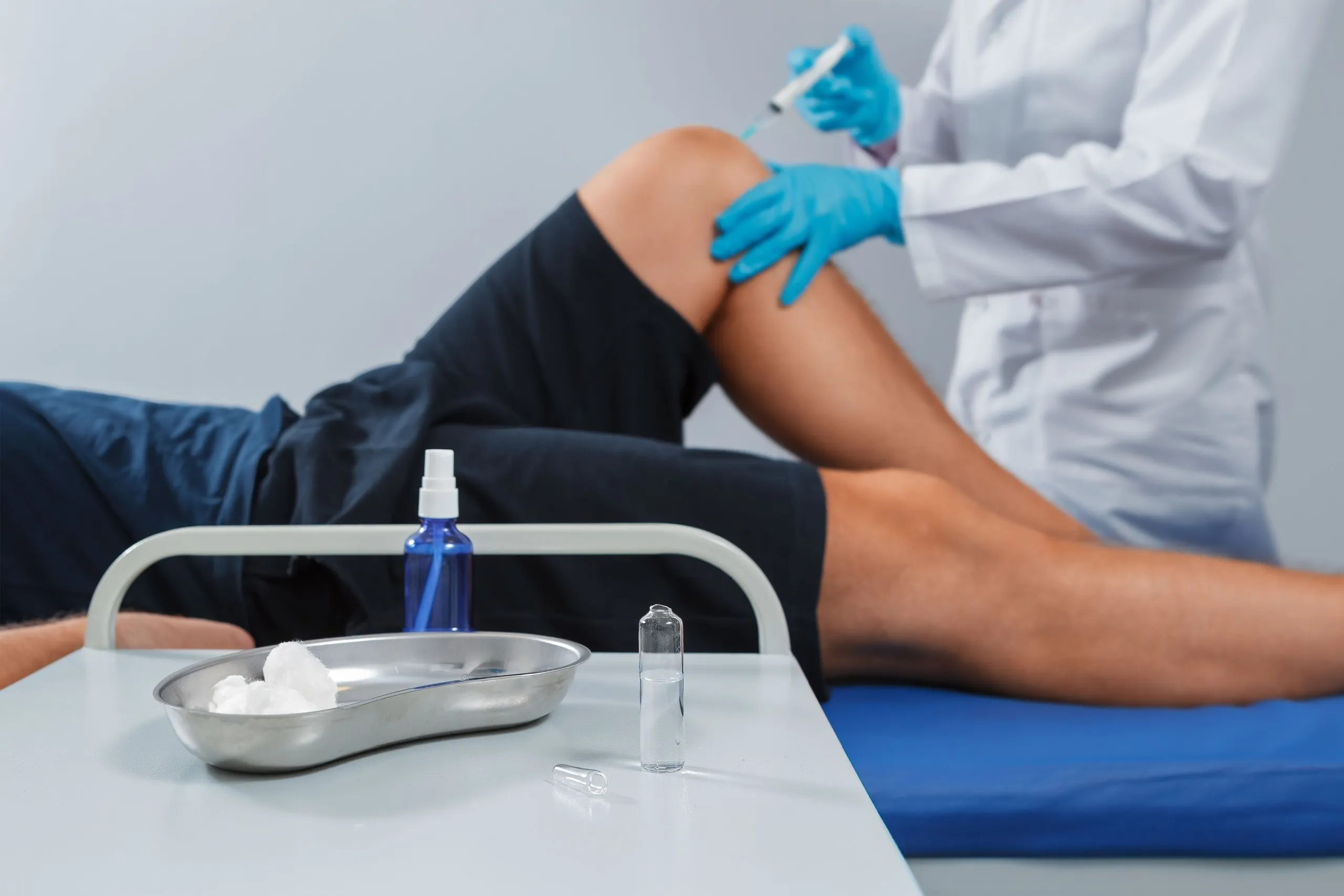
- The injection site is cleaned and may be numbed
- Using ultrasound guidance for precision (when indicated)
- The injection takes just minutes
- Mild pressure or brief discomfort is normal
After Your Injection
- Rest the joint for 24-48 hours
- Apply ice if needed for comfort
- Most patients return to normal activities within 1-2 days
- Follow-up appointment to assess response
Pro Tips for Maximizing Your Results
Combine with Physical Therapy Research on frozen shoulder shows that combination therapy with injection plus physical therapy showed significantly greater improvement compared to physical therapy alone[16].
Track Your Response Keep a pain diary noting your symptoms before and after treatment. This helps your provider optimize future treatments.
Plan Your Timing If you have an important event or activity, schedule your injection 1-2 weeks beforehand to allow full effect.
Ask About PRP Given the superior outcomes shown in recent research[14], ask your provider if PRP might be appropriate for your condition.
Common Questions About Joint Injections
How quickly will I feel relief? Corticosteroids typically provide relief within 24-48 hours. PRP and stem cell therapies may take several weeks as they work through regenerative processes.
How long do results last? Results vary by injection type and individual factors. Corticosteroids typically last 6-12 weeks, while PRP may provide longer-lasting benefits.
Are joint injections painful? Most patients report only mild discomfort during the injection. Local anesthesia is often used to minimize any pain.
How often can I receive injections? This depends on the type of injection. Corticosteroids are typically limited to 3-4 per year per joint. PRP and other regenerative therapies have different protocols.
When to Consider Joint Injection Therapy
Seek evaluation for joint injections if you experience:
- Pain that limits work, exercise, or daily activities
- Joint stiffness affecting mobility
- Swelling that doesn't respond to home treatment
- Difficulty sleeping due to joint pain
- Desire to delay or avoid surgery
Summary: The Future of Joint Pain Treatment
The 2026 research landscape for joint injection therapy has never been more promising. With over 3,800 patients enrolled in active studies[6] and 17 trials currently recruiting[2], we're continuously refining our understanding of optimal treatment approaches.
Key Takeaways:
- Joint injection therapy has exceptional safety with infection rates below 0.01%[9]
- PRP injections show superior pain reduction compared to traditional treatments[14]
- Over 3,800 patients are enrolled in current clinical trials advancing the field[6]
- Stem cell therapy shows promise with no serious adverse events in phase III trials[12]
- Treatment selection matters—different injections suit different conditions
- Proper patient screening and technique are crucial for optimal outcomes
"What excites me most about the 2026 research is the clarity it provides about treatment selection. We're moving beyond one-size-fits-all approaches to truly personalized joint injection therapy. The safety data gives both patients and providers confidence, while the efficacy studies help us match the right treatment to the right patient."
— Dr. Daniel Esan, Board-Certified Physician, Endura Health Direct
Learn More:
Have questions about which joint injection therapy might be right for your specific condition? Our team stays current with the latest research developments to ensure you receive evidence-based care. Schedule a consultation with Dr. Daniel Esan → to discuss how these recent advances could benefit your treatment plan.
References
[1] ClinicalTrials.gov, "Joint injection therapy clinical studies," January 2026. [2] ClinicalTrials.gov, "Active clinical trials for joint injection research," January 2026. [5] ClinicalTrials.gov NCT06932887, "The Beat Pain Better Trial." [6] ClinicalTrials.gov, "Participant enrollment in joint injection studies," January 2026. [7] PubMed, "Joint Injection Therapy contraindications and safety guidelines," 2026. [9] PubMed PMID: 38037038, "Intra-articular corticosteroid injection complication rates." [10] PubMed, "Blood glucose effects of corticosteroid injections in diabetic patients," 2026. [12] PubMed PMID: 37345256, "Phase III trial results for adipose-derived stem cell injections." [14] PubMed PMID: 38037038, "Network meta-analysis of intra-articular injection therapies." [16] PubMed PMID: 38092231, "Combination therapy for frozen shoulder treatment outcomes."