
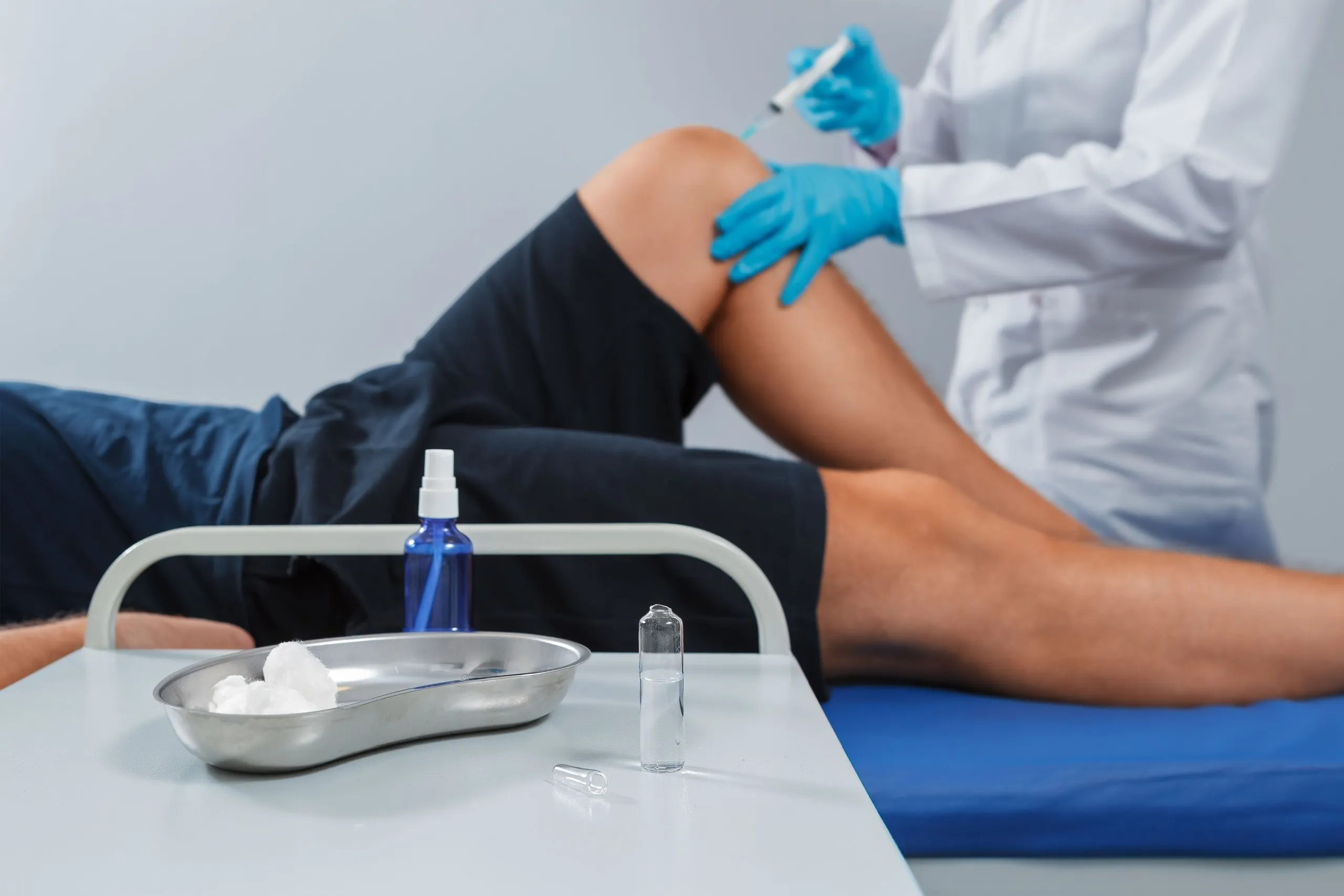
Joint Injection Therapy in Lutz, Florida
TARGETED relief for joint pain using corticosteroids and PRP
Joint Injection Therapy: Non-Surgical Solutions for Lasting Pain Relief
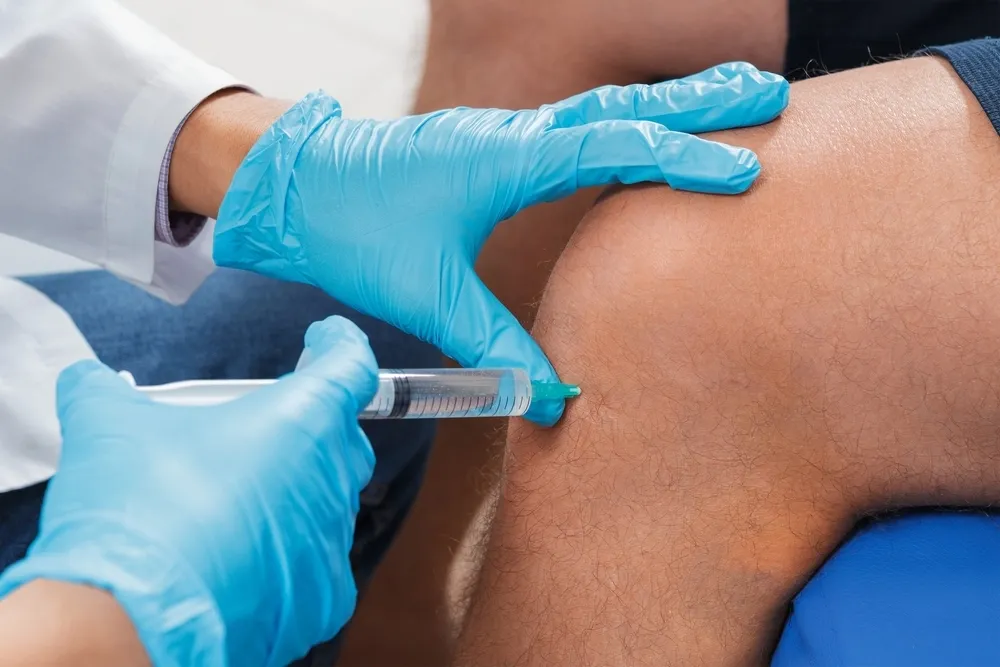
Targeted treatment for joint pain and inflammation
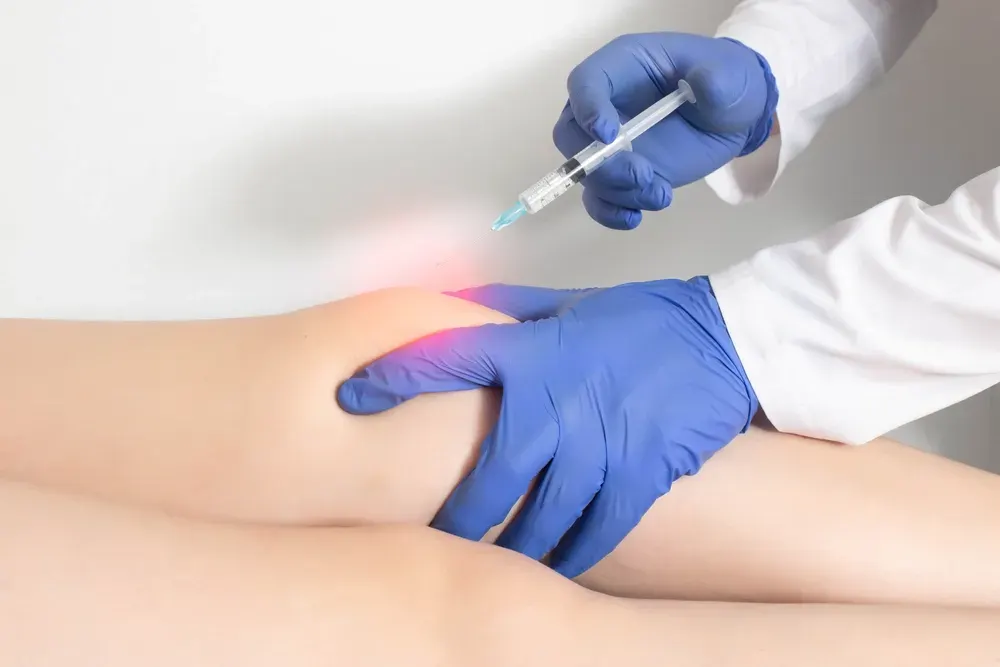
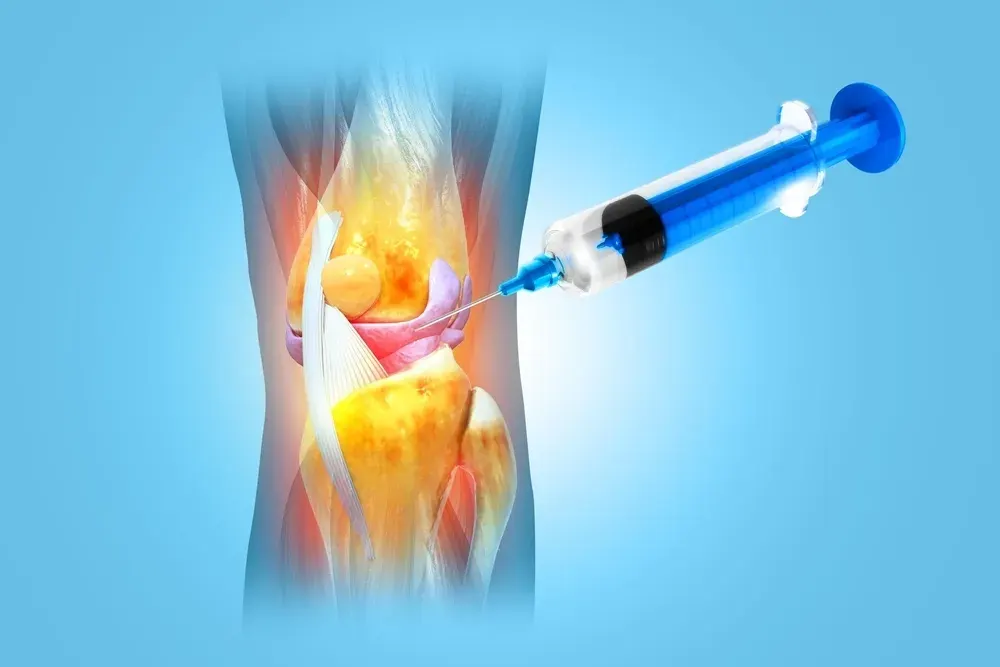
Joint injection therapy delivers medication directly to the source of pain and inflammation. Corticosteroid injections reduce inflammation through anti-inflammatory medication delivered directly to the joint space. PRP injections use concentrated platelets from your own blood to promote natural healing and tissue repair.
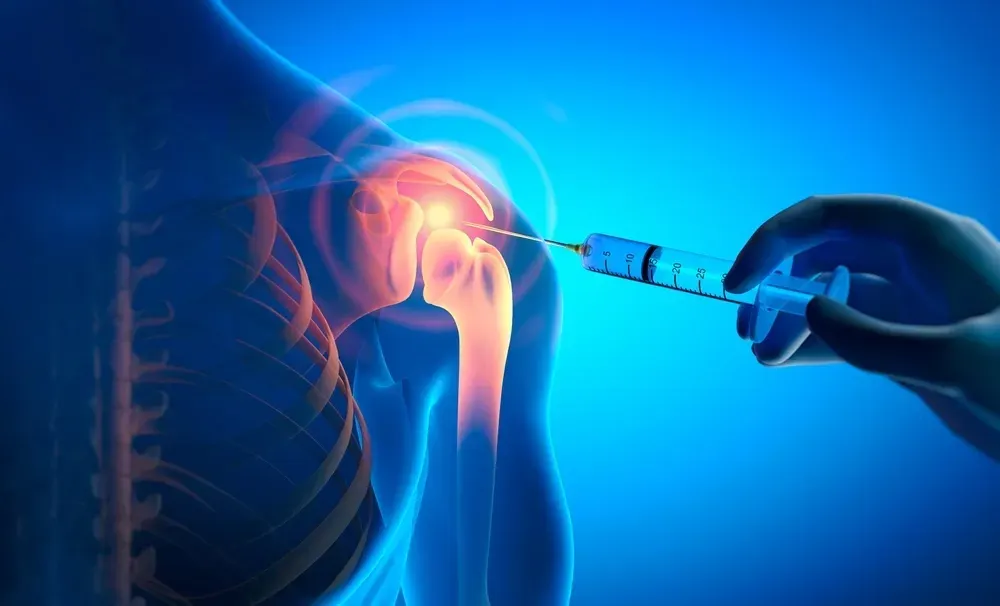
Both treatments target specific joints including knees, shoulders, and hips. This direct approach bypasses systemic circulation, allowing higher concentrations of therapeutic medication at the treatment site than oral medications can achieve.
Results from corticosteroid injections typically appear within 2 to 7 days, with full effects lasting 3 to 6 months. PRP treatments show improvement over 2 to 6 weeks with benefits sustained up to 12 months.
Sessions require 15 to 30 minutes with most patients achieving goals in 1 to 3 treatments per joint. Our dual-approach protocol combines both therapies when appropriate for enhanced long-term outcomes.
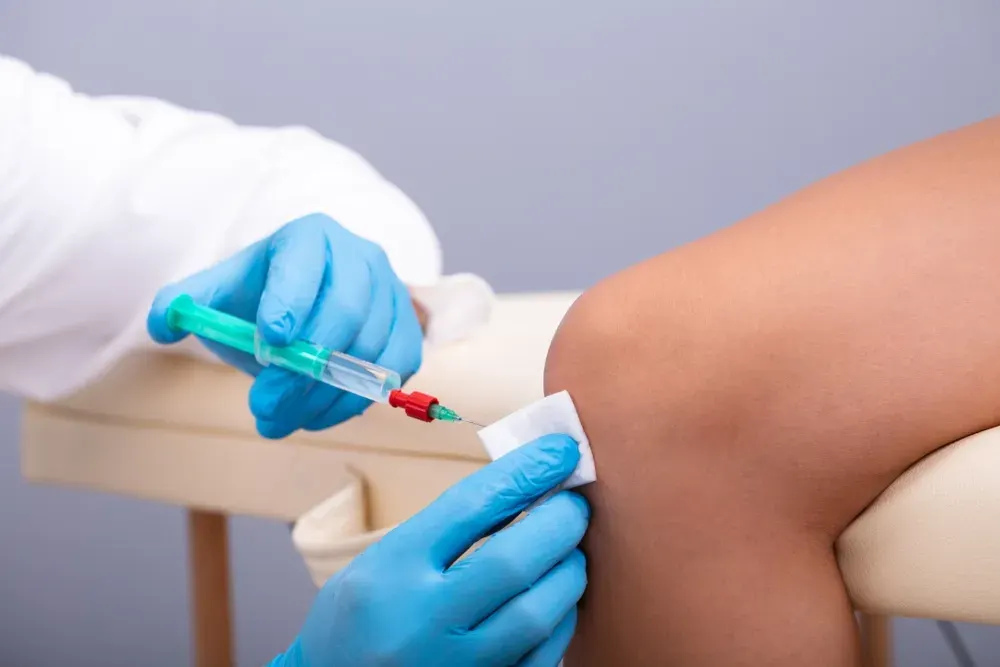
The Science Behind Joint Injections
Understanding joint injection mechanisms helps explain why these treatments succeed where oral medications may fail:
Synovial Fluid Dynamics - The space within joints contains synovial fluid that lubricates cartilage surfaces and provides nutrition to joint tissues. When inflammation develops, this fluid becomes thick and less effective at cushioning joint movement. Direct injection restores optimal fluid composition faster than systemic treatments.
Platelet Degranulation - PRP therapy works through the controlled release of growth factors stored within platelet granules. When activated, platelets release over 30 different proteins including PDGF, TGF-β, and IGF-1. These factors stimulate tissue repair and reduce inflammatory cascades at the cellular level.
Glucocorticoid Receptor Binding - Corticosteroid medications bind to specific receptors within joint tissue cells, blocking the production of inflammatory proteins like cytokines and prostaglandins. This targeted approach allows higher anti-inflammatory concentrations than oral steroids without systemic side effects.
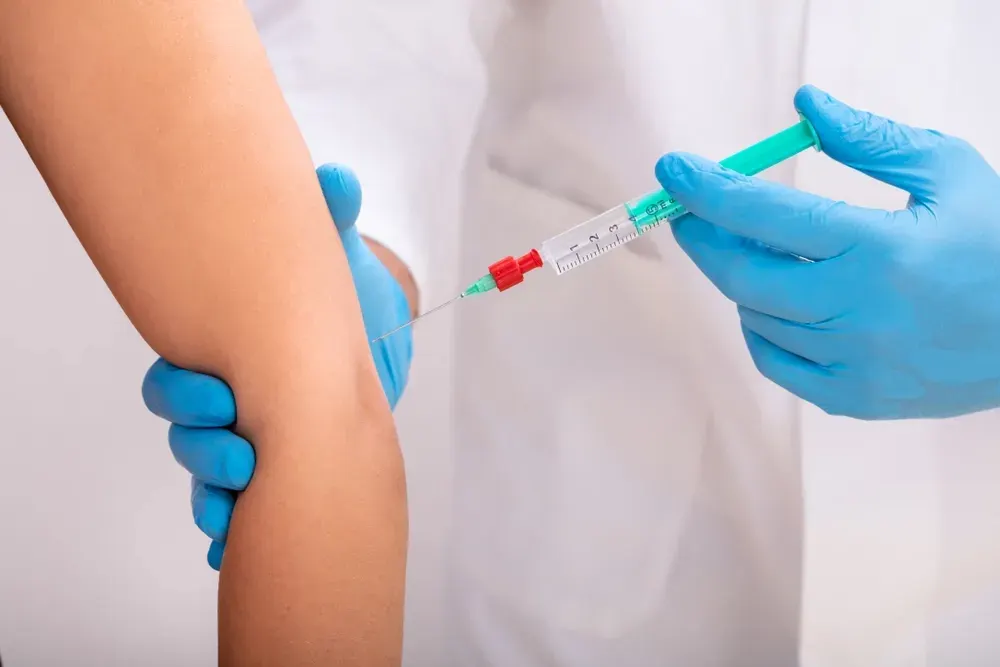
Benefits of Joint Injection Therapy
- 01
Targeted Relief — Direct
Eliminate the guesswork by delivering medicine exactly where it’s needed. By injecting treatment directly into the affected joint or tissue, we bypass the systemic side effects of oral medications and hit the source of your pain.
- 02
Rapid Results — 2-7 Days
You don't have to wait weeks for relief to kick in. Most patients begin to feel a significant reduction in inflammation and discomfort within the first few days, allowing for a much faster return to comfort.
- 03
Long-Lasting — 3-12 Months
Depending on the treatment type, a single session can provide relief that lasts for the better part of a year. This extended window gives your body the time it needs to stay active and mobile without daily pill-taking.
- 04
Minimal Downtime — 24-48 Hours
There is no heavy recovery period involved. We typically recommend just a day or two of light activity before you can get back to your normal routine, making it a highly efficient option for busy lifestyles.
- 05
Avoid Surgery — Non-Surgical
Delay or completely avoid the need for invasive joint replacements or surgical repairs. These injections offer a powerful alternative that preserves your natural anatomy while effectively managing chronic pain.
- 06
Dual Options — Corticosteroid + PRP
Choose the path that fits your goals. Whether you need the immediate, powerful anti-inflammatory effect of corticosteroids or the long-term regenerative healing of PRP, we can tailor the approach to your specific condition.
Why Choose Endura Health Direct for Joint Injections
Sports medicine expertise for optimal outcomes and sustainable physical performance
Dual Board Certification
FM + Sports Med
Ultrasound Guidance
Precision
Comprehensive Approach
Both Options
Direct Primary Care
Direct Access
Corticosteroid vs. PRP Injections
Understanding your treatment options
| Corticosteroid | PRP | |
|---|---|---|
| Mechanism | Anti-inflammatory | Regenerative healing |
| Onset | 2-7 days | 2-6 weeks |
| Duration | 3-6 months | 12+ months |
| Best For | Acute inflammation | Chronic degeneration |
| Repeat Frequency | 3-4x per year max | Every 12-18 months |
Ideal Candidates for Joint Injection Therapy
This treatment may be right for you if you are experiencing any of the following:
- Arthritis Pain
- Sports Injuries
- Failed Conservative Treatment
- Surgery Avoidance
- Limited Mobility
- Active Lifestyle Goals
Your Joint Injection Treatment Journey
What to expect during each stage of your joint injection therapy
- Step 1: Consultation Pain history review, physical examination, and imaging assessment with Dr. Esan
- Step 2: Treatment Selection Choose corticosteroid for rapid relief, PRP for long-term healing, or combined approach
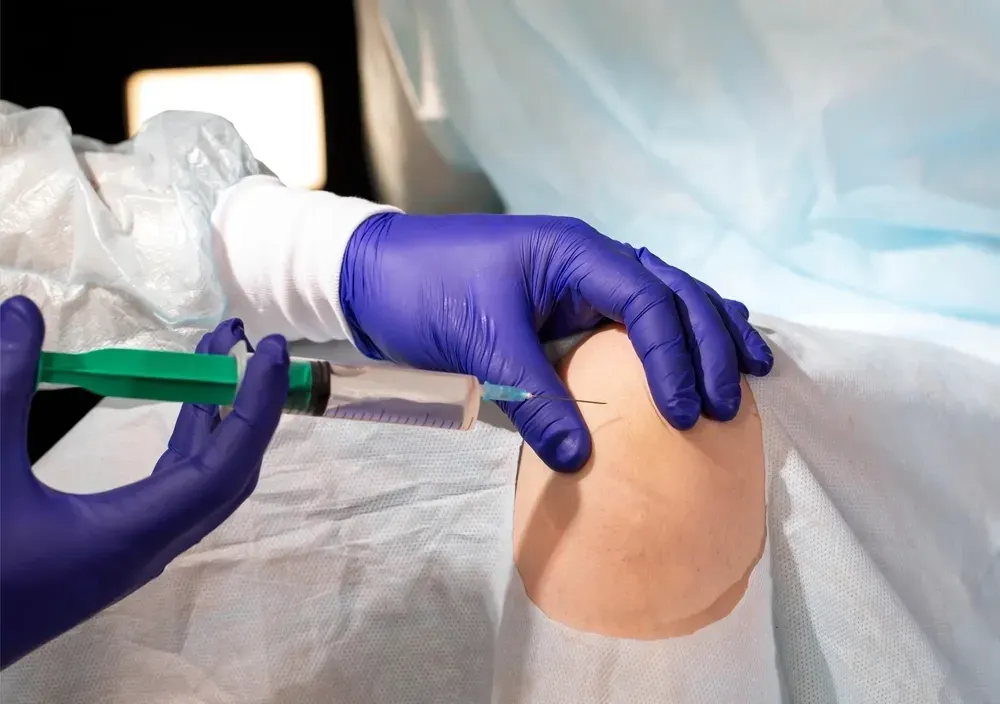
- Step 3: Injection Precise injection using sterile technique, with ultrasound guidance when appropriate
- Step 4: Recovery Return to normal activities within 24-48 hours with gradual improvement
Related Treatments
Complementary services for joint health and pain management

Regenerative Medicine
Heal and restore naturally

Manual & Sports Medicine
Comprehensive musculoskeletal care

Wellness Support
Support your recovery
Frequently Asked Questions
01 How soon can I return to exercise after joint injection therapy?
Most patients resume light activities within 24 hours, with full exercise clearance at 48 to 72 hours post-injection. Sports medicine guidance helps optimize your return to activity timeline.
02 Can I receive injections in multiple joints during one visit?
Yes, multiple joint injections can often be performed during a single session, though we typically limit the number based on your comfort level and treatment goals.
03 Will insurance cover joint injection therapy?
Most insurance plans cover medically necessary joint injections for documented arthritis, sports injuries, and other qualifying conditions. We verify coverage before treatment.
04 What's the difference between cortisone and PRP injections?
Cortisone provides rapid anti-inflammatory relief lasting months, while PRP promotes natural healing through your own growth factors with longer-lasting benefits.
05 How often can I receive corticosteroid injections?
Generally, corticosteroid injections are limited to 3 to 4 times per year per joint to minimize potential side effects while maintaining effectiveness.
06 Are joint injections painful?
Most patients describe joint injections as briefly uncomfortable, similar to receiving a vaccination. Local anesthetic can be used for additional comfort when needed.
07 Which joints can be treated with injections?
Common treatment areas include knees, shoulders, hips, elbows, wrists, and ankles. Smaller joints in hands and feet can also be treated when appropriate.
08 How do I know if I need corticosteroid or PRP?
The choice depends on your specific condition, timeline needs, and goals. Corticosteroids work best for acute inflammation and rapid relief, while PRP is ideal for chronic degenerative conditions.

Take the First Step Toward Joint Pain Relief
Book your joint injection consultation today