PRP Therapy for Muscle Injuries in Lutz, Florida
ACCELERATED healing using your body's own growth factors
PRP Therapy Explained: Using Your Own Plasma to Accelerate Natural Healing
Harnessing your body's healing power
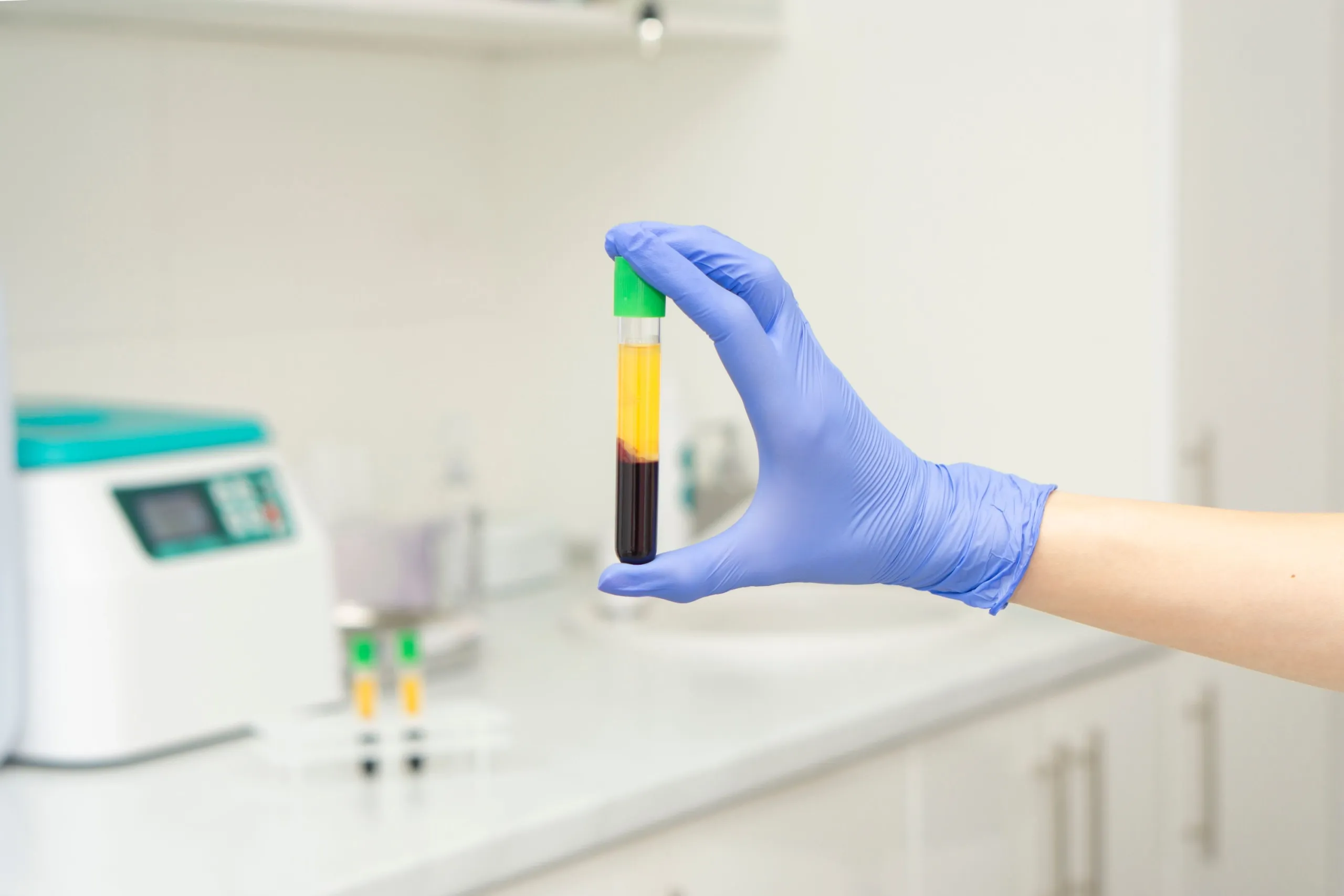
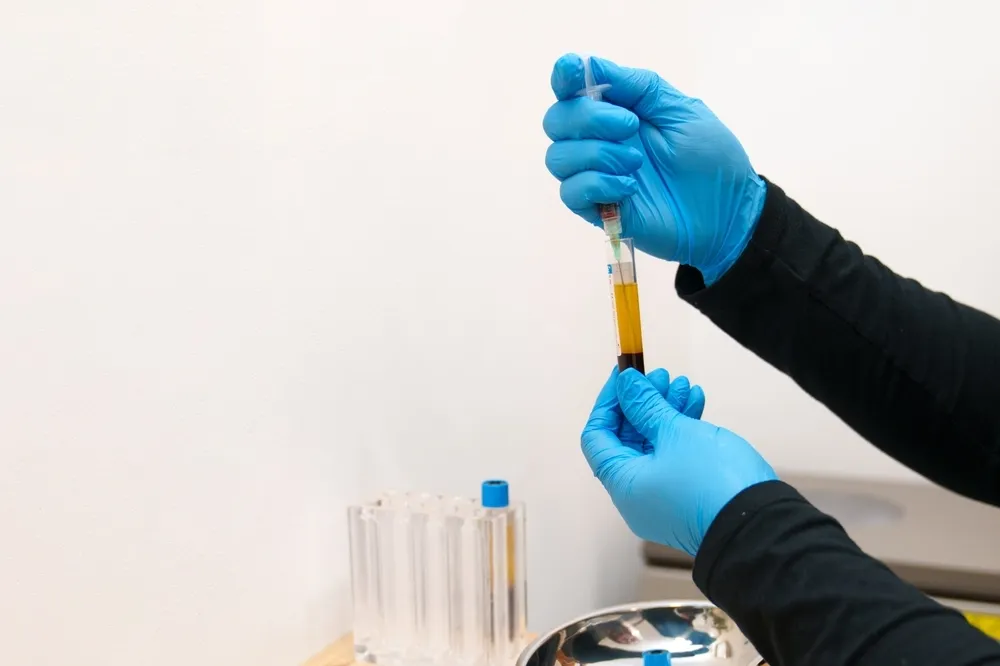
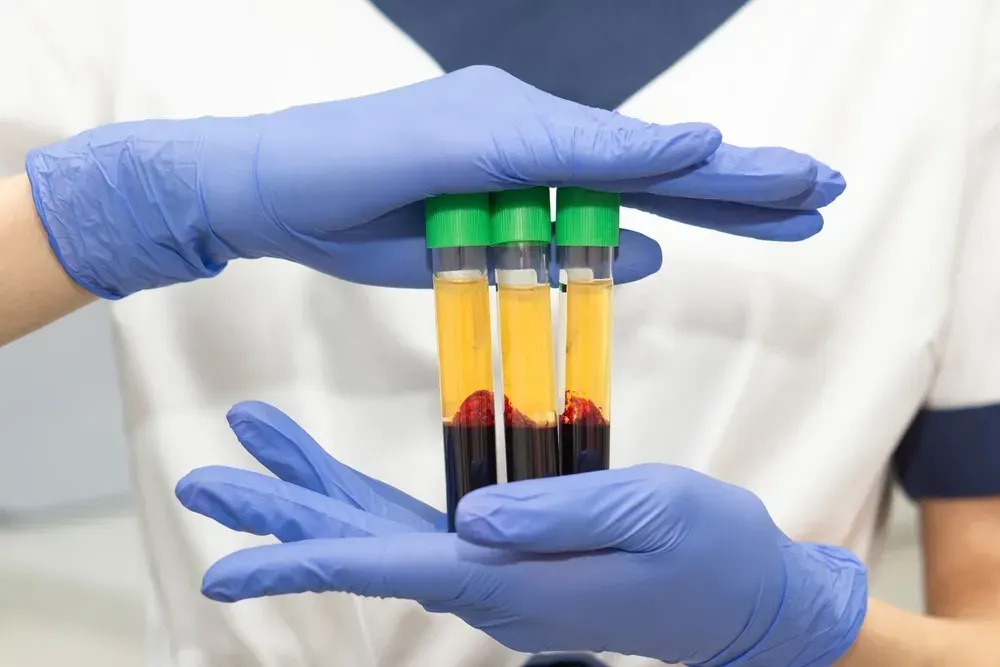
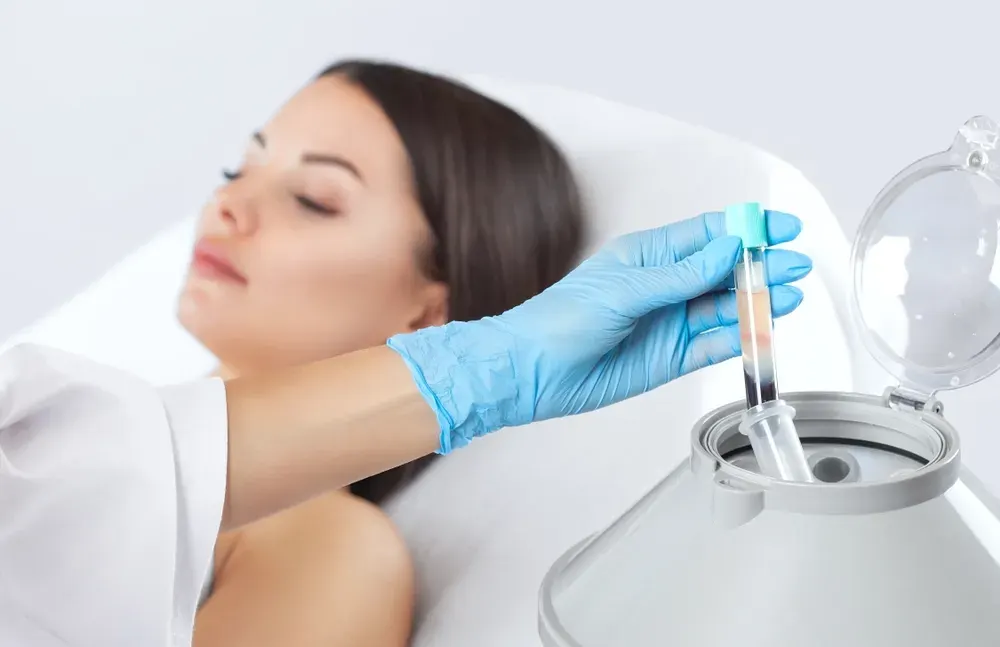
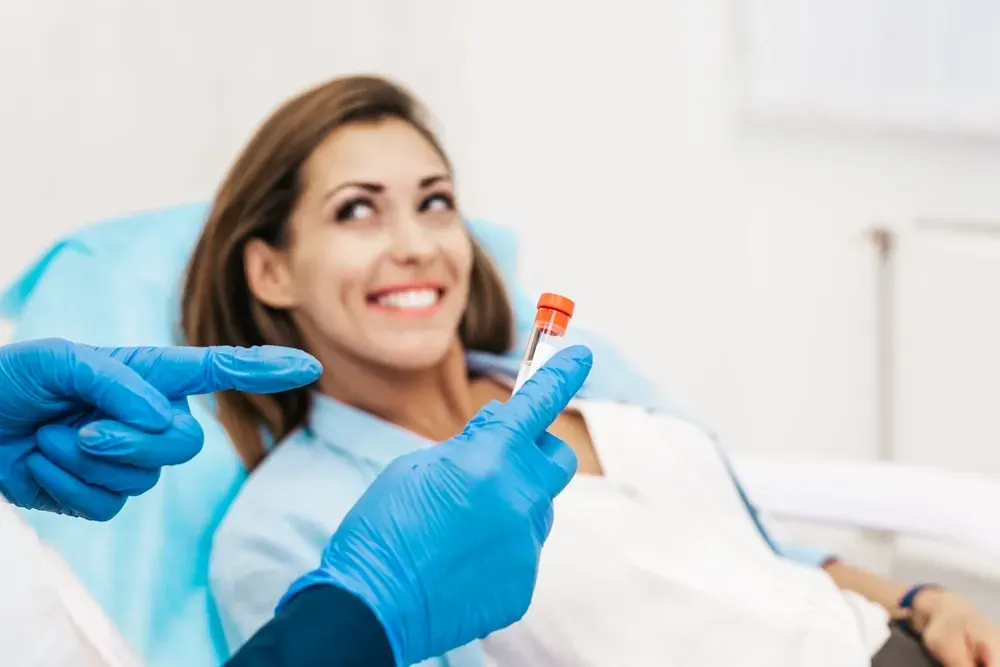
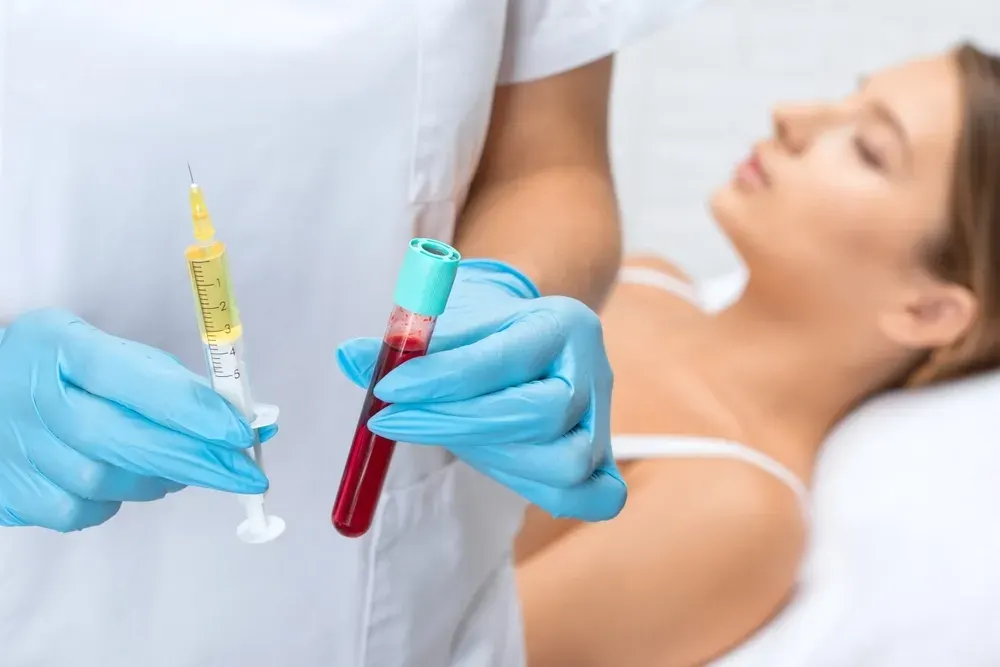
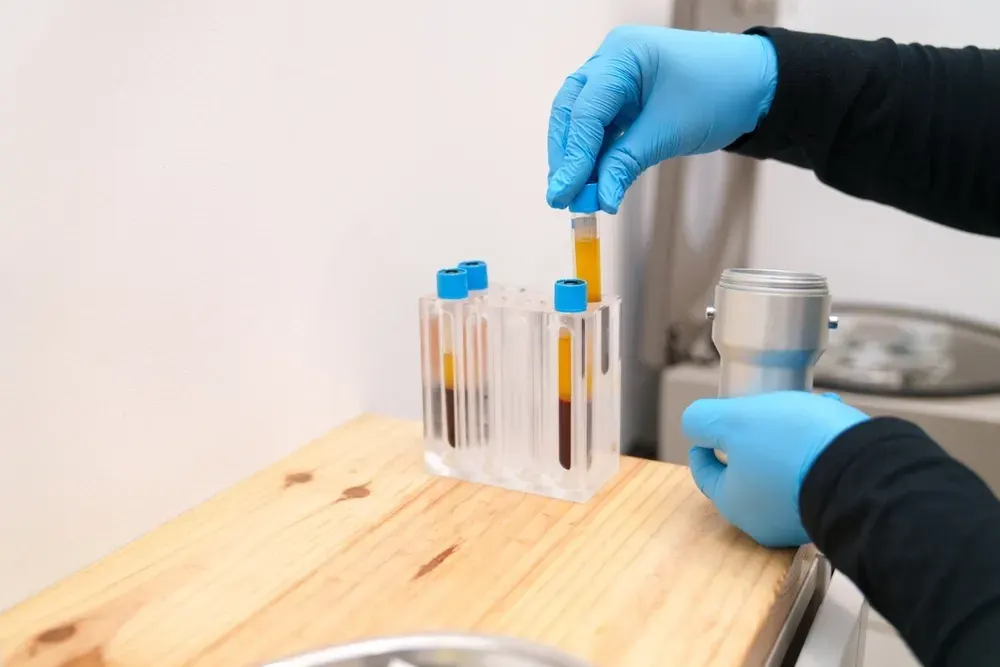
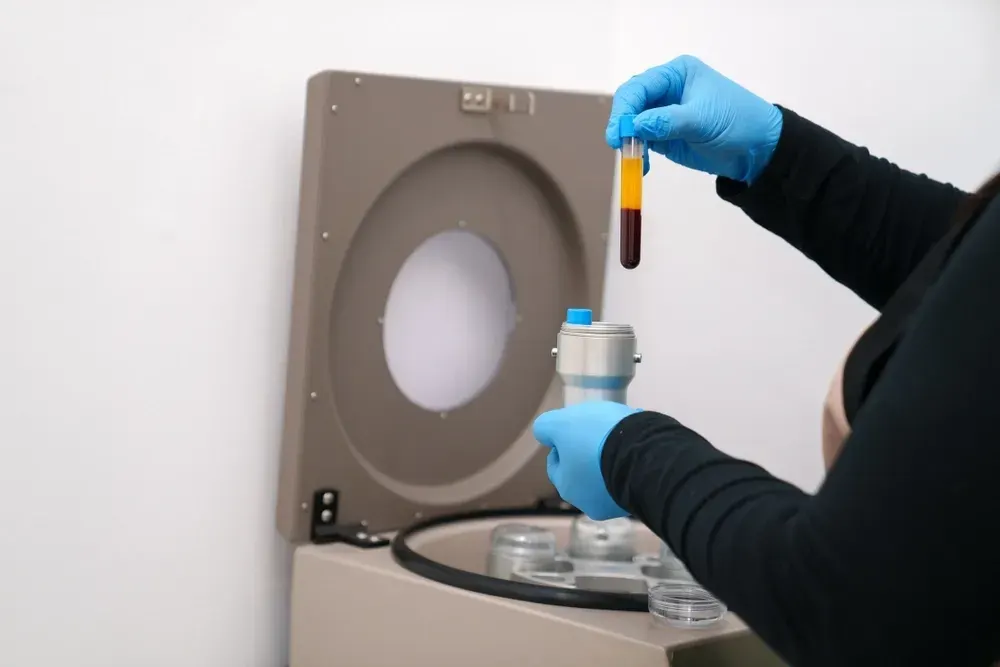
Platelet-rich plasma therapy is a regenerative medicine treatment that concentrates the healing components of your blood to accelerate tissue repair. The procedure involves drawing a small sample of your blood, processing it in a centrifuge to separate and concentrate the platelets, then injecting the platelet-rich solution directly into the injured tissue.
Platelets contain growth factors and proteins essential for tissue healing. When concentrated and delivered to an injury site, these growth factors stimulate cellular regeneration, promote new blood vessel formation, and modulate the inflammatory response.
PRP is an autologous treatment—meaning it uses your own biological material—which minimizes the risk of allergic reactions or rejection. The concentration of platelets in PRP is typically 3 to 5 times higher than in normal blood, delivering a potent dose of healing factors directly where they're needed most.
Results typically appear within 2 to 4 weeks, with optimal healing achieved over 6 to 12 weeks depending on injury severity. Treatment takes 30 to 60 minutes and requires minimal downtime.
The Science Behind PRP Healing
Understanding the biological mechanisms reveals why PRP promotes accelerated healing of muscle injuries:
Growth Factor Release - Platelets contain alpha granules that release growth factors upon activation. These include transforming growth factor-beta (TGF-β), which promotes collagen synthesis; vascular endothelial growth factor (VEGF), which stimulates new blood vessel formation; and platelet-derived growth factor (PDGF), which recruits repair cells to the injury site.
Angiogenesis - The growth factors in PRP stimulate the formation of new blood vessels in damaged tissue. This improved blood supply delivers oxygen, nutrients, and additional healing factors to the injury site, creating an optimal environment for tissue regeneration.
Cellular Proliferation - PRP activates satellite cells—the muscle stem cells responsible for regenerating damaged muscle fibers. These cells proliferate and differentiate into new muscle tissue, replacing damaged fibers and restoring muscle function.
Inflammation Modulation - While inflammation is necessary for healing initiation, prolonged inflammation delays recovery. PRP helps regulate the inflammatory response, promoting the transition from the inflammatory phase to the proliferative and remodeling phases of healing.
Benefits of PRP Therapy
- 01
Natural Healing — Autologous
Using your body's own growth factors, this treatment stimulates tissue repair from the inside out. Since it uses your own blood, the process is natural, biocompatible, and free from the risk of allergic reactions.
- 02
Accelerated Recovery — Faster
Speed up the body’s internal repair clock. By delivering a concentrated dose of healing cells directly to the site of injury, you can return to your active lifestyle much sooner than with traditional methods.
- 03
Minimally Invasive — No Surgery
Avoid the risks and complications of surgical intervention. A simple blood draw and precise injection are all it takes to trigger powerful regenerative results without any incisions.
- 04
Pain Reduction — Progressive
Address the source of discomfort rather than just masking it. As the treated tissue heals and inflammation subsides, patients experience a steady, progressive decrease in chronic pain and stiffness.
- 05
Downtime — Minimal
There is no long hospital stay or grueling rehab required. Most patients can resume their daily routines shortly after the procedure, making it a convenient option for those with busy schedules.
- 06
Versatile — Multiple Uses
From joint repair and sports injuries to skin rejuvenation and hair restoration, this therapy is highly adaptable. It provides a powerful solution for a wide range of aesthetic and functional concerns.
Why Choose Endura Health Direct for PRP Therapy
Sports medicine expertise for optimal healing and faster recovery times
Dual Board Certification
FM + Sports Med
Precision Treatment
Ultrasound-Guided
Comprehensive Care
Full Protocol
Direct Primary Care
Direct Access
PRP Therapy vs. Traditional Treatment
Regenerative approach compared to conventional methods
| PRP Therapy | Traditional Treatment | |
|---|---|---|
| Mechanism | Concentrated growth factors | Natural healing pace |
| Target | Direct to injury site | Systemic or general |
| Tissue Effect | Promotes repair | Manages symptoms |
| Invasiveness | Minimally invasive | Non-invasive |
| Risk | Low (autologous) | Medication side effects |
Ideal Candidates for PRP Therapy
This treatment may be right for you if you are experiencing any of the following:
- Athletes with Acute Injuries
- Chronic Soft Tissue Issues
- Partial Tendon Tears
- Active Adults
- Conservative Treatment Failures
- Surgery Avoidance
Your PRP Treatment Journey
What to expect during each stage of your PRP therapy
- Step 1: Consultation Comprehensive injury assessment, medical history review, and imaging review with Dr. Esan
- Step 2: Blood Draw Small blood sample drawn from your arm, processed in centrifuge to concentrate platelets
- Step 3: Injection Concentrated PRP injected directly into injured tissue, often with ultrasound guidance
- Step 4: Recovery Activity modification for first few days, then progressive return to exercise as healing progresses
Related Treatments
Complementary services that support injury recovery and performance

Sports Medicine
Comprehensive athletic care

Manual Therapy
Hands-on treatment approach

Recovery Support
Accelerate your healing
Frequently Asked Questions
01 How long does PRP treatment take?
The entire procedure takes approximately 30 to 60 minutes, including blood draw, processing, and injection. Most patients can return to normal daily activities the same day.
02 How many PRP injections will I need?
Many patients experience significant improvement with a single injection. However, some injuries—particularly chronic conditions—may benefit from a series of 2 to 3 injections spaced several weeks apart.
03 Is PRP treatment painful?
Most patients experience mild discomfort during injection, similar to other medical injections. Local anesthetic can be used to minimize pain. Post-procedure soreness typically resolves within a few days.
04 When can I return to sports or exercise?
Return to activity is individualized based on injury type and healing progress. Light activity may resume within days, while return to full sport typically follows a graduated protocol over several weeks.
05 Does insurance cover PRP therapy?
PRP is typically not covered by insurance as it is considered investigational for most uses. We provide transparent pricing during your consultation.
06 How does PRP compare to cortisone injections?
Cortisone provides rapid pain relief but does not promote tissue healing and may weaken tissue with repeated use. PRP aims to stimulate actual tissue repair, offering potential for longer-lasting results.
07 Can PRP help with chronic injuries?
Yes, PRP may benefit chronic injuries that have not responded to conservative treatment. Chronic conditions may require a series of injections for optimal results.
08 What should I avoid after PRP treatment?
Avoid anti-inflammatory medications (ibuprofen, naproxen) for at least one week after treatment. Avoid strenuous activity involving the treated area for the first few days, then gradually increase as directed.